Is South Africa Safe to Travel in 2026? Real Safety Guide
August 5, 2025 at 1:42:42 AM
South Africa is a dream destination for many travelers — a place of dramatic coastlines, iconic wildlife, world-class food and wine, and deep cultural history. From Cape Town’s Table Mountain to the wide savannas of Kruger National Park, the country delivers experiences few places on Earth can match.
But one question continues to surface year after year:
Is it safe to travel to South Africa in 2026?
The honest answer isn’t a simple yes or no. South Africa is a country of contrast — extraordinary beauty alongside real safety concerns. With preparation, awareness, and smart planning, most travelers have safe, unforgettable trips. Without preparation, the experience can feel overwhelming.
Here’s the full, realistic picture.
Why Travelers Worry About Safety in South Africa
South Africa has long carried a reputation for high crime rates, particularly in major urban areas like Johannesburg and parts of Durban. News reports often focus on theft, carjackings, and scams — which naturally causes hesitation for travelers.
At the same time, tourism is a major part of the economy. Popular destinations are well-developed, heavily visited, and designed with traveler safety in mind.
The truth lives in the middle: South Africa is not dangerous everywhere — but it does demand awareness.
Travel Advisories for South Africa (2026 Update)
As of early 2026, major governments maintain similar guidance:
U.S. State Department: Level 2 – Exercise Increased Caution due to crime
UK Foreign Office: Advises caution in urban areas and when using public transportation
Canada & Australia: Recommend avoiding informal settlements and remaining alert in cities
None of these advisories discourage tourism outright. They emphasize preparation, situational awareness, and informed movement — not fear.
Safest Places to Visit in South Africa
Many areas are extremely popular with international visitors and considered safe when basic precautions are followed.
Cape Town
A global travel favorite known for beaches, hiking, wine farms, and culture.
Safest areas include:
Camps Bay
Sea Point
Green Point
V&A Waterfront
These neighborhoods are well-policed, walkable during the day, and heavily frequented by tourists.
Garden Route
Stretching along the southern coast, this region includes Knysna, Plettenberg Bay, and Tsitsikamma. It’s one of the safest and most scenic road trip routes in the country.
Kruger National Park
One of Africa’s top safari destinations. Lodges and guided tours provide excellent safety, and crime against tourists inside the park is extremely rare.
Stellenbosch & Franschhoek
Wine country is calm, upscale, and ideal for relaxed travel. Popular with couples and food lovers.
Durban (Beachfront Areas)
Tourist zones along the beachfront are well-patrolled and generally safe during daylight hours.
Areas Where Extra Caution Is Needed
Some regions require heightened awareness rather than avoidance.
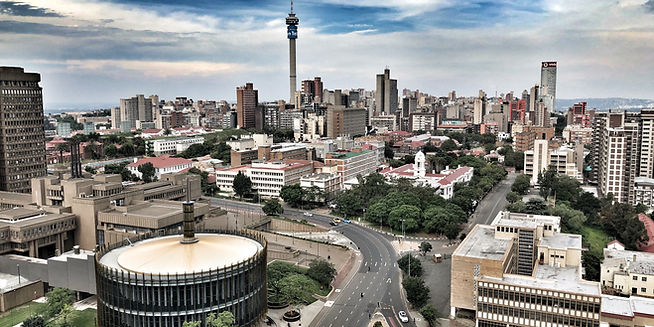
Johannesburg
South Africa’s largest city has higher crime levels. Travelers should:
Avoid walking alone, especially at night
Use hotel-arranged transport or rideshare apps
Stick to known neighborhoods and malls
Downtown Durban
Petty crime and occasional violent incidents occur, particularly after dark.
Townships (Soweto, Khayelitsha, etc.)
These areas can be visited safely with licensed tour guides, but exploring alone is not recommended.
Isolated Beaches & Hiking Trails
There have been incidents of muggings in remote areas. Hike in groups or with guides, especially near cities.
Is Crime a Real Risk for Tourists?
Yes — but context matters.
Most incidents involving tourists are non-violent, such as:
Pickpocketing
Bag snatching
ATM or credit card fraud
Smash-and-grab theft from parked cars
Violent crime against tourists is relatively rare when travelers follow basic safety practices.
Simple habits go a long way:
Avoid displaying valuables
Use hotel safes
Book verified tours
Stay alert in busy areas
Driving in South Africa: Is It Safe?
Driving is common and often the best way to explore, especially in the Western Cape.
Safety tips:
Keep doors locked and windows up
Avoid driving at night outside major cities
Stick to highways and well-lit roads
Never leave valuables visible in your car
If you’d rather not drive, Uber and Bolt are reliable in major cities, and domestic flights are affordable and efficient.
Solo Travel & Women’s Safety
South Africa can be rewarding for solo travelers — including women — with the right precautions.
Tips:
Choose highly rated accommodations
Avoid walking alone at night
Join group tours for safaris and cultural activities
Use rideshare apps instead of street taxis
Street harassment exists in some areas but is typically avoidable with situational awareness.
Health & Medical Safety
Healthcare quality is high in private facilities but limited in rural regions.
Tap water is generally safe in cities; bottled water is safer in remote areas
Malaria risk exists in parts of northeastern South Africa, including Kruger
Travel insurance is strongly recommended
Private hospitals in cities like Cape Town and Johannesburg are excellent by global standards.
Emergency Numbers to Save
Police: 10111
Ambulance: 10177
Tourism Safety Line: 083 123 2345
Always keep digital and physical copies of important documents.
LGBTQ+ Safety in South Africa
South Africa has some of the most progressive LGBTQ+ laws in the world. Same-sex marriage is legal, and discrimination is constitutionally prohibited.
Cape Town is especially LGBTQ+ friendly, with vibrant nightlife and inclusive spaces. In rural or traditional areas, discretion is still advised.
Transportation Safety Tips
Uber and Bolt are reliable in major cities
Avoid informal minibus taxis unless with a local guide
Long-distance buses like Intercape and Greyhound are safe and commonly used
Domestic flights are efficient and affordable
What Travelers Are Saying in 2026
Recent traveler reviews consistently echo the same sentiment:
“I felt safe because I planned ahead.”
“Cape Town exceeded every expectation.”
“Kruger was unreal — felt completely secure the entire time.”
“Johannesburg required caution, but nothing went wrong.”
Preparation makes the difference.
Final Verdict: Is South Africa Safe to Visit in 2026?
Yes — with awareness and planning.
South Africa is not a destination for blind wandering, but it rewards informed travelers with some of the most unforgettable experiences on Earth. Its beauty, culture, wildlife, and people leave a lasting impression on nearly everyone who visits.
Handled wisely, it’s not just safe — it’s extraordinary.
Quick Safety Checklist
Avoid walking alone at night in cities
Use Uber or hotel transport
Book licensed tours and safaris
Avoid townships without a guide
Keep valuables hidden
Stay in well-reviewed accommodations
Bottom line:
South Africa isn’t reckless — it’s real. And for travelers willing to prepare, it’s absolutely worth the journey.